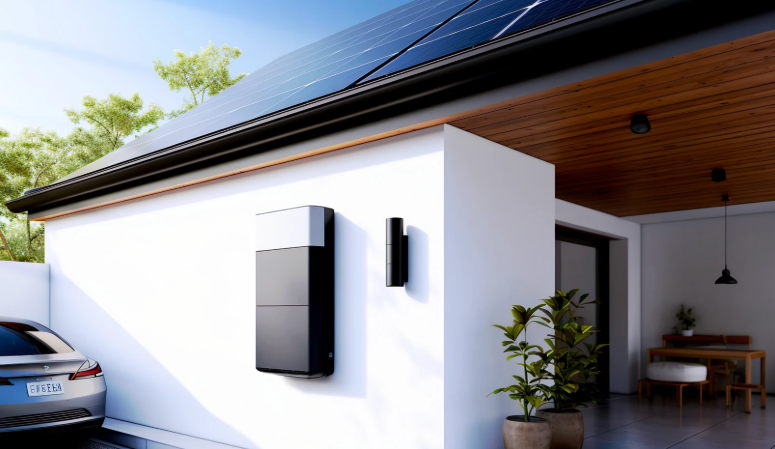
Homeowners across the Shoalhaven region researching solar battery storage are often surprised by just how many options are now available, from different battery chemistries through to a wide range of capacities and price points offered by manufacturers competing in an increasingly crowded market. Comparing these options properly takes a little more effort than simply choosing the cheapest or most heavily advertised system, but it generally pays off through better long-term performance and value.
Battery chemistry and expected lifespan
Most residential batteries on the market today use lithium iron phosphate chemistry, valued for its stability, safety, and relatively long cycle life compared to older lithium-ion alternatives that were more commonly used in earlier generations of home battery systems. Understanding the expected cycle life and warranty terms of a given battery helps homeowners estimate roughly how many years of reliable service they can expect before capacity begins to noticeably decline.
See also: How NDIS Occupational Therapy Builds Everyday Independence
Capacity versus household needs
Choosing the right capacity comes down to matching a battery to actual household consumption patterns, since an oversized system adds unnecessary upfront cost while an undersized one fails to capture the full benefit of a household’s solar generation. A knowledge base explaining how a solar power battery actually works is a genuinely useful starting point for homeowners trying to understand this relationship before comparing specific products and providers in detail.
Households with variable or seasonal energy use, such as those running ducted air conditioning through summer or heating through winter, may benefit from a slightly larger battery than a simple average-use calculation would suggest, since capturing summer or winter peak demand delivers a disproportionate share of the overall savings. A good installer will factor these seasonal variations into their sizing recommendation rather than relying on a flat annual average alone.
Comparing installers as well as products
The battery itself is only part of the equation, and the quality of installation, ongoing support, and warranty backing offered by the installer matters just as much as the specifications of the hardware being installed. Local Shoalhaven installers with an established track record in the region tend to have a better understanding of local grid conditions, council requirements, and the specific challenges presented by different housing types across the area.
Obtaining several detailed quotes, including a clear breakdown of equipment, installation costs, and warranty terms, makes it far easier to compare options on a like-for-like basis rather than being swayed by headline pricing that may not reflect the full cost of a quality installation. Homeowners should also ask about ongoing monitoring and support, since battery systems occasionally need troubleshooting or firmware updates over their operational lifespan.
Maintenance and monitoring over time
Modern solar batteries generally require very little hands-on maintenance compared with many other home systems, though homeowners should still expect occasional firmware updates and periodic health checks to ensure the system continues performing as intended throughout its warranted lifespan. Most quality battery systems include some form of remote monitoring, allowing both the homeowner and installer to track performance and catch potential issues early, often before they become noticeable in the form of reduced savings on a household’s electricity bill.
Understanding what is actually covered under a battery’s warranty is worth clarifying before purchase, since warranty terms vary considerably between manufacturers and can include different provisions for capacity degradation, performance guarantees, and labour costs associated with any future repairs or replacement. A battery with a slightly higher upfront cost but stronger, clearer warranty terms may represent better long-term value than a cheaper alternative with a more limited or ambiguous warranty that leaves homeowners exposed if problems arise.
Homeowners should also keep an eye on their system’s performance over time relative to the projections provided at the point of sale, since a noticeable and sustained drop in stored energy capacity can indicate an issue worth raising with the installer sooner rather than later. Staying engaged with monitoring data, even just checking in periodically through an app, helps ensure any issues are caught and addressed while still covered under warranty, rather than discovered only once performance has already declined significantly.
Questions worth asking before signing a contract
Before committing to a solar battery installation, homeowners should ask a handful of specific questions that help separate a genuinely reputable local installer from a less reliable operator chasing a quick sale. These include asking how long the company has operated in the Shoalhaven region specifically, what accreditation and licensing their installers hold, and whether they can provide references from recent local customers willing to discuss their own experience with the installation and any after-sales support received.
It is also worth asking directly what happens if a fault develops after installation, including realistic response times for warranty callouts and whether the installer handles this support themselves or refers customers back to the manufacturer for anything beyond the most basic troubleshooting. A clear, confident answer to this question is generally a good sign, while vague or evasive responses about after-sales support may indicate a company better geared towards initial sales than genuine long-term customer care.
Finally, homeowners should ask for a written, itemised quote rather than relying on a verbal estimate, ensuring every cost, from equipment and installation through to any necessary electrical upgrades, is clearly documented before work begins. This written record protects both parties and gives homeowners a clear, tangible reference point to hold the installer accountable to throughout the project, right through to final completion and handover of the finished system.
How local providers build trust online
Local solar providers competing for attention in a growing market increasingly rely on a strong digital presence to reach homeowners researching their options, and platforms like LinkedIn have become a useful channel for demonstrating expertise and building credibility with a professional or business-facing audience. Regularly sharing informative content helps a local provider stand out from larger, less locally focused competitors operating across the broader region.
Reviewing LinkedIn company page analytics allows solar businesses to understand which content resonates with their audience, helping refine an ongoing content strategy that builds trust and visibility over time, ultimately supporting the kind of steady, reputation-driven growth that local trade businesses tend to rely on most heavily.