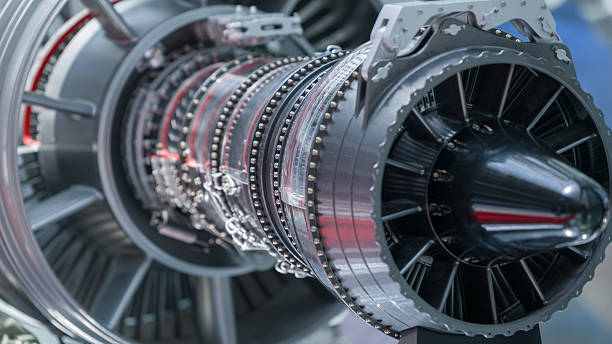
Understanding Blades and Buckets in Gas Turbines
Gas turbines rely on a series of precision-engineered components to convert high-temperature gas energy into mechanical power. Among these, blades and buckets play a central role in energy extraction. While both serve similar purposes, their positioning and exposure to operating conditions differ. Blades are often associated with guiding and directing airflow, whereas buckets typically refer to rotating components that directly absorb energy from hot gases. Because of these differences, blade component repair and bucket component repair require distinct approaches, expertise, and technologies.
Wear Patterns in Blade Components
Blades are exposed to high-velocity airflow, which subjects them to gradual wear over time. Common issues include surface erosion caused by particles in the gas stream, corrosion from contaminants, and minor thermal fatigue due to repeated heating and cooling cycles. Blade tips may also experience wear due to clearance variations. Although these issues develop progressively, they can significantly impact turbine efficiency if left unaddressed. This is why timely blade component repair is essential to maintain aerodynamic performance and reduce energy losses.
Wear Patterns in Bucket Components
Buckets operate in much harsher conditions compared to blades, as they are directly exposed to high-temperature combustion gases. This leads to more severe forms of damage, including thermal fatigue cracking, oxidation, coating degradation, and creep deformation. These issues can compromise structural integrity and reduce the component’s ability to withstand extreme operating conditions. As a result, bucket component repair is often more complex and requires advanced techniques to restore both strength and performance.
Blade Component Repair Techniques
The goal of blade component repair is to restore the original aerodynamic profile and ensure efficient airflow through the turbine. Repair processes often begin with surface blending to remove minor imperfections caused by erosion or corrosion. For more significant damage, welding techniques are used to rebuild worn areas, followed by precision machining to restore the blade’s geometry. Tip repair is another critical aspect, as maintaining proper clearances helps minimize leakage and improve efficiency. Finally, protective coatings are applied to enhance resistance to corrosion and erosion, ensuring long-term durability.
Bucket Component Repair Techniques
Bucket component repair involves more advanced and specialized processes due to the extreme conditions these components endure. Repair begins with detailed inspection and crack detection using non-destructive testing methods. Welding is then used to repair cracks and restore material, followed by heat treatment to relieve internal stresses and restore mechanical properties. One of the most important steps is the application of thermal barrier coatings, which protect buckets from high temperatures. In cases of severe wear, tip caps may be replaced or rebuilt to maintain proper sealing and efficiency. The final stage involves precision machining and rigorous quality testing to ensure the component meets performance standards.
Key Differences in Repair Complexity
One of the most significant differences between blade component repair and bucket component repair lies in their complexity. Blade repairs are generally less intensive, focusing on restoring surface condition and aerodynamic performance. In contrast, bucket repairs involve addressing high-temperature damage, structural integrity, and advanced coating systems. This makes bucket repair more technically demanding and often requires specialized equipment and expertise.
Cost and Maintenance Considerations
From a cost perspective, bucket component repair is typically more expensive due to the severity of damage and the advanced processes involved. However, it remains more cost-effective than replacing the component entirely. Blade repairs, on the other hand, are usually less costly and may be required more frequently due to gradual wear. Understanding these cost dynamics helps power plants plan maintenance budgets and optimize repair strategies.
Frequency of Repairs and Lifecycle Impact
Blades and buckets have different repair cycles based on their operating conditions. Blades often require routine maintenance and minor repairs to address gradual wear. Buckets, however, may operate for longer periods before requiring repair, but when they do, the repairs are more extensive. Both blade component repair and bucket component repair are essential for extending component life and ensuring consistent turbine performance over time.
Performance Impact of Blade Repairs
Effective blade component repair plays a critical role in maintaining proper airflow within the turbine. By restoring the blade’s aerodynamic profile, repair processes improve energy transfer efficiency and reduce turbulence. This leads to better fuel efficiency, lower operating costs, and improved overall performance. Even small improvements in blade condition can result in measurable gains in turbine output.
Performance Impact of Bucket Repairs
Because buckets are directly involved in energy extraction, their condition has a significant impact on turbine performance. High-quality bucket component repair restores the component’s ability to withstand extreme temperatures and mechanical stress. This improves reliability, reduces the risk of failure, and ensures consistent power generation. Properly repaired buckets also help maintain optimal sealing and pressure balance, which are critical for efficiency.
See also: How Technology Enhances Everyday Convenience
Role of Advanced Technologies in Repair
Modern advancements have greatly enhanced both blade component repair and bucket component repair processes. Technologies such as additive manufacturing allow for precise rebuilding of complex geometries, while advanced coatings provide superior resistance to heat and corrosion. Digital inspection tools enable more accurate detection of defects, ensuring that repairs address all underlying issues. These innovations are helping power plants achieve higher efficiency and longer component lifespans.
Importance of Choosing the Right Repair Strategy
Selecting the appropriate repair approach depends on factors such as the extent of damage, operating conditions, and cost considerations. Power plants must evaluate whether a component requires minor restoration or a more comprehensive repair process. Partnering with experienced service providers ensures that both blade component repair and bucket component repair are carried out using best practices and advanced techniques.
Preventive Maintenance for Long-Term Performance
Preventive maintenance is key to reducing the need for extensive repairs and ensuring long-term turbine performance. Regular inspections help identify early signs of wear, allowing for timely intervention. By integrating blade component repair and bucket component repair into a proactive maintenance strategy, operators can minimize downtime, reduce costs, and extend the life of critical components.
Conclusion
Blades and buckets are fundamental to the performance and efficiency of gas turbines, but they experience different types of wear and require specialized repair approaches. Blade component repair focuses on maintaining aerodynamic efficiency and managing gradual wear, while bucket component repair addresses more severe thermal and mechanical challenges.
Understanding these differences allows power plants to make informed decisions about maintenance and repair strategies. By investing in high-quality repair processes and adopting proactive maintenance practices, operators can improve efficiency, enhance reliability, and maximize the value of their turbine assets.